Preparing Your HVAC System for Seasonal Changes Apr 09, 2026
Firstly, regular maintenance is key. Before any seasonal transition, it's vital to have a professional perform a thorough inspection. This process typically includes cleaning and adjusting the components, verifying the integrity of electrical connections, and assessing overall system efficiency. Regular check-ups help identify potential problems before they become costly repairs, ensuring your HVAC unit operates smoothly when you need it most.
Changing air filters is another critical step in preparing your HVAC system. Dirty or clogged filters can significantly reduce airflow and force your system to work harder, leading to increased energy costs and potential damage. It's recommended to change your filters every 1-3 months depending on use and filter type. Look for Energy Star certified filters to ensure they provide optimal indoor air quality and system performance.
Thermostat calibration is often overlooked but plays a significant role in system efficiency. Make sure your thermostat is set to the correct settings for the season. Consider upgrading to a programmable thermostat if you haven't already. These devices allow you to set schedules that align your heating and cooling settings with your daily routine, helping to save energy when you're away from home.
Inspecting and cleaning your ductwork should not be ignored. Dust, debris, and even mold can build up in the ductwork over time, impeding airflow and affecting indoor air quality. A professional duct cleaning can help remove these obstructions, ensuring clean air circulates throughout your home.
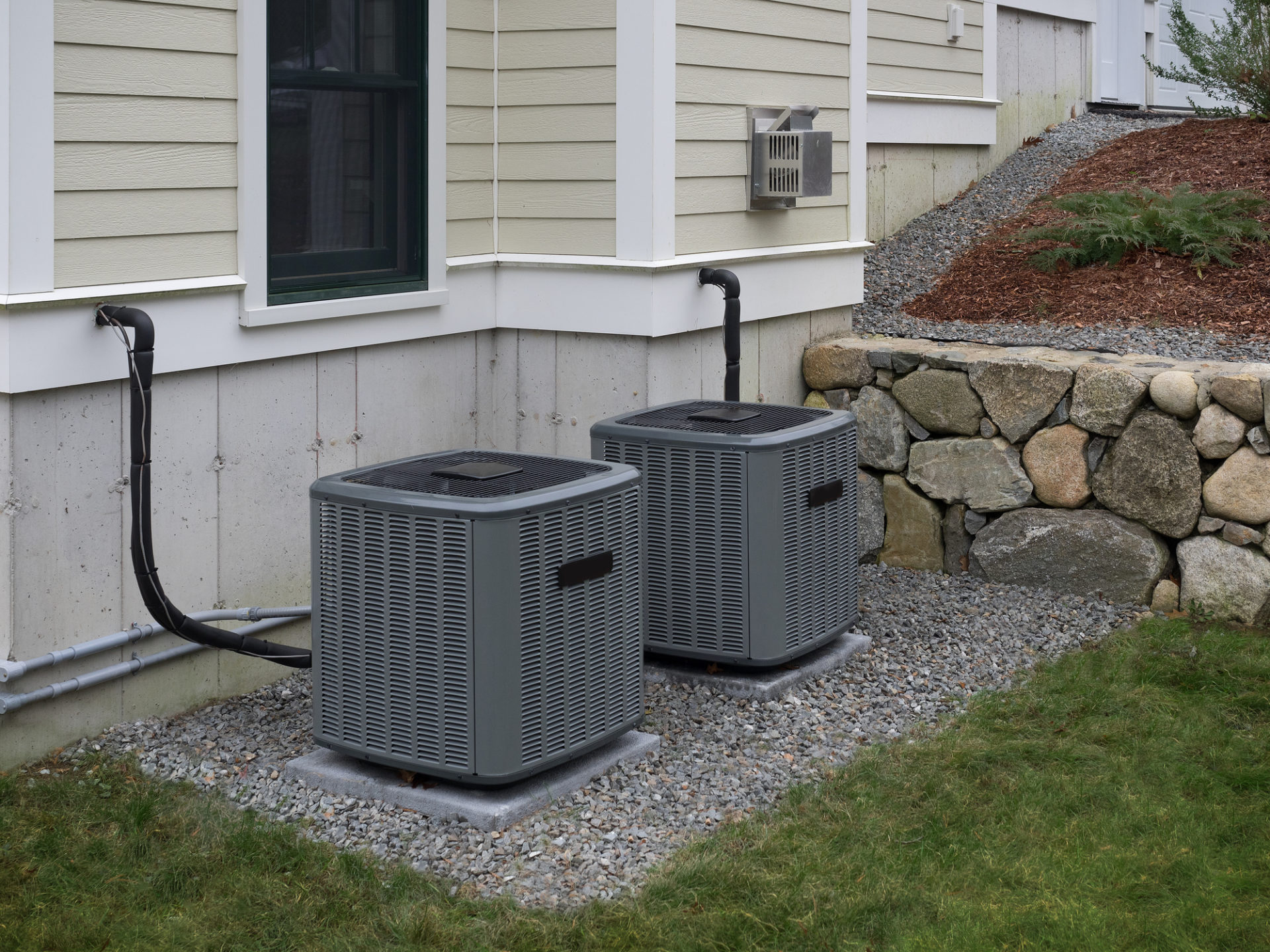
Don't forget the exterior components of your HVAC system. Ensure that outdoor units are free of debris such as leaves or twigs that may have accumulated over the months. Clearing a two-foot radius around the unit will improve airflow and efficiency. It's also a good idea to inspect the unit for any visible signs of damage.
Proper insulation can also impact your HVAC system's efficiency. Make sure that windows and doors are sealed properly to prevent drafts and keep conditioned air inside. Areas like the attic, basement, or even unused parts of the house can benefit from additional insulation.
Finally, keep your eyes and ears open for any unusual signs. Strange noises, odd smells, or inconsistent heating and cooling can all be indicators that your HVAC system may need attention. Promptly addressing these issues can prevent small problems from becoming larger, more expensive ones.
In summary, preparing your HVAC system for seasonal changes is an essential part of home maintenance. By following these steps, you ensure your system operates efficiently, reduces energy costs, and enhances the comfort and air quality of your home. At Husky Mechanical LLC, we're here to help with professional services to keep your system in peak condition. Contact us today to schedule your seasonal maintenance check and stay ahead of any potential HVAC troubles.
/filters:no_upscale()/filters:format(webp)/media/d22757e8-bfc1-49cf-bdf1-cfc47aa61321.jpeg)