Choosing the Right HVAC System for Your Home: A Comprehensive Guide May 31, 2026
Start with an Assessment of Your Home's Needs
Before diving into HVAC options, it's essential to evaluate your home's specific heating and cooling needs. Factors such as home size, insulation quality, and local climate play a significant role in determining the best system for you. Larger homes require systems with more capacity, while well-insulated homes may benefit from energy-efficient models. Consider consulting with an HVAC professional to perform a load calculation, which will assess how much energy your home requires for optimal comfort.
Understanding Different HVAC System Types
When it comes to HVAC systems, there are several types to choose from, each with its unique benefits:
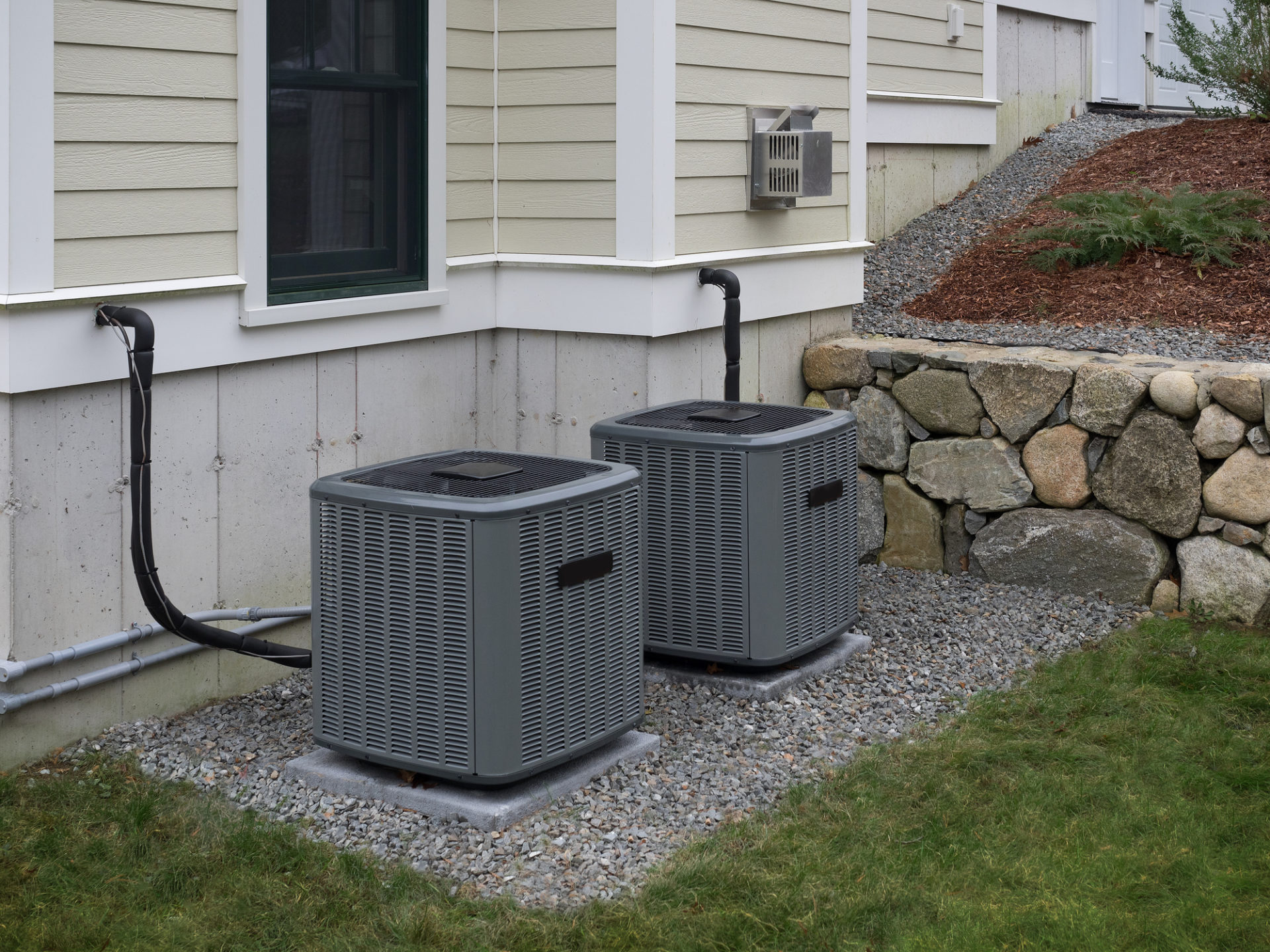
1. Split Systems: These are the most common HVAC systems suitable for homes with existing ductwork. They comprise both indoor and outdoor units and are excellent for moderate climates.
2. Ductless Mini-Splits: Ideal for homes without ductwork, these systems provide the flexibility of controlling temperatures in individual rooms.
3. Heat Pumps: Efficient for both heating and cooling, heat pumps are suitable for areas with moderate temperature ranges.
4. Packaged Heating and Air Conditioning Systems: These are all-in-one solutions typically used in homes with limited space for separate outdoor and indoor units.
Energy Efficiency Considerations
Investing in an energy-efficient HVAC system can reduce your utility bills and have a positive environmental impact. Look for systems with a high Seasonal Energy Efficiency Ratio (SEER) rating. The higher the SEER rating, the more efficient the system. Additionally, ENERGY STAR-certified systems are designed to be more energy-efficient than standard models, offering long-term savings.
Consider the Quality of Indoor Air
Modern HVAC systems do more than regulate temperature—they play a vital role in maintaining indoor air quality. Features like humidity control and air purifiers can significantly improve your indoor environment, particularly in regions with high humidity or air pollution. When selecting a system, consider additional features that target specific air quality concerns.
Budget and Long-Term Costs
While initial cost is an important factor, it's crucial to consider the long-term costs associated with operation and maintenance. Opt for a system that balances initial affordability with low ongoing operational costs. Some HVAC systems may have a higher upfront price but save money in the long run through reduced energy use and repair costs.
Conclusion
Choosing the right HVAC system for your home can significantly enhance your comfort and reduce energy costs. By assessing your home's needs, understanding different types of systems, considering energy efficiency, and taking indoor air quality into account, you can make a well-informed decision. At Husky Mechanical LLC, we are committed to helping you find the perfect HVAC solution for your home. Contact us today to learn more about our services and how we can assist you in creating a comfortable living environment all year round.
/filters:no_upscale()/filters:format(webp)/media/d22757e8-bfc1-49cf-bdf1-cfc47aa61321.jpeg)